UL 325 classifies gate operators by intended use. The class determines the entrapment-protection requirements, allowable operator force, and acceptable installation conditions.
Class I — Residential
Vehicular gate operators for one- to four-family residences (driveway gates at houses, duplexes, fourplexes). Lowest force requirements. Single residential driveways across Richmond fall here.
Class II — Commercial / General Access
Vehicular gate operators for buildings accessible by the general public — multi-family housing of five+ units, hotels, retail, garages with public access. Most Richmond strata parkade gates and apartment buildings fall here. Highest scrutiny because untrained public uses the gate.
Class III — Industrial / Limited Access
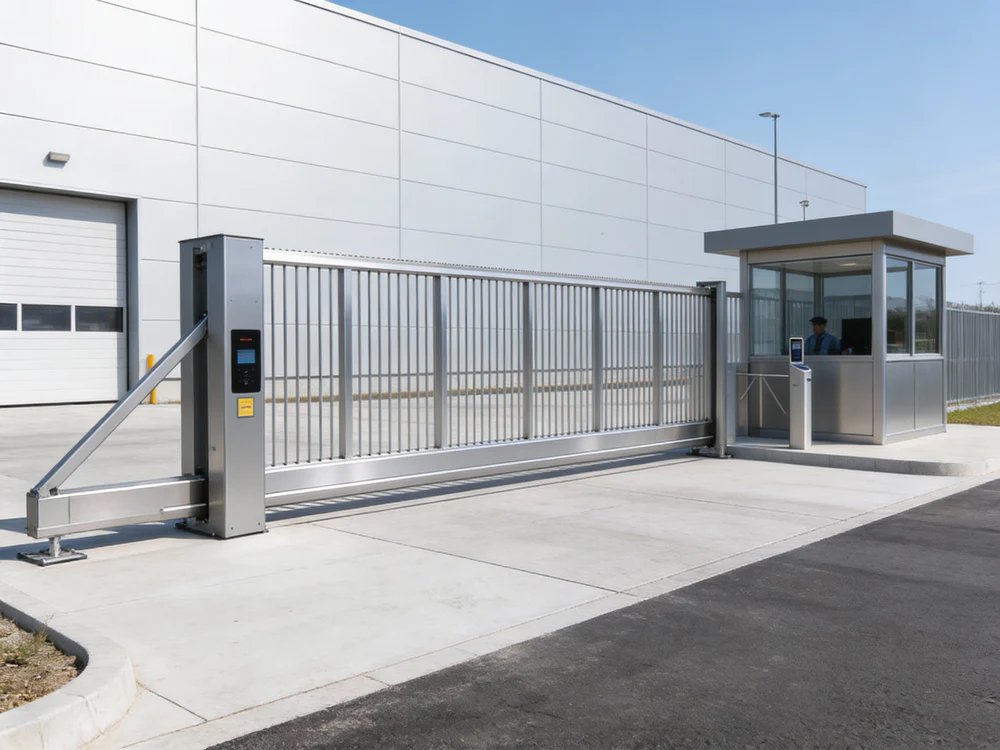
Vehicular gate operators for industrial sites where users are trained employees, not the general public. Warehouses, distribution centres, fleet yards. Most Richmond industrial corridor gates (Bridgeport, Mitchell Island, East Cambie warehouse yards) fall here.
Class IV — Restricted Access
Vehicular gate operators for guarded industrial sites — airport security, secure government, regulated industrial. Always paired with on-site security supervision.
Why class matters in practice:
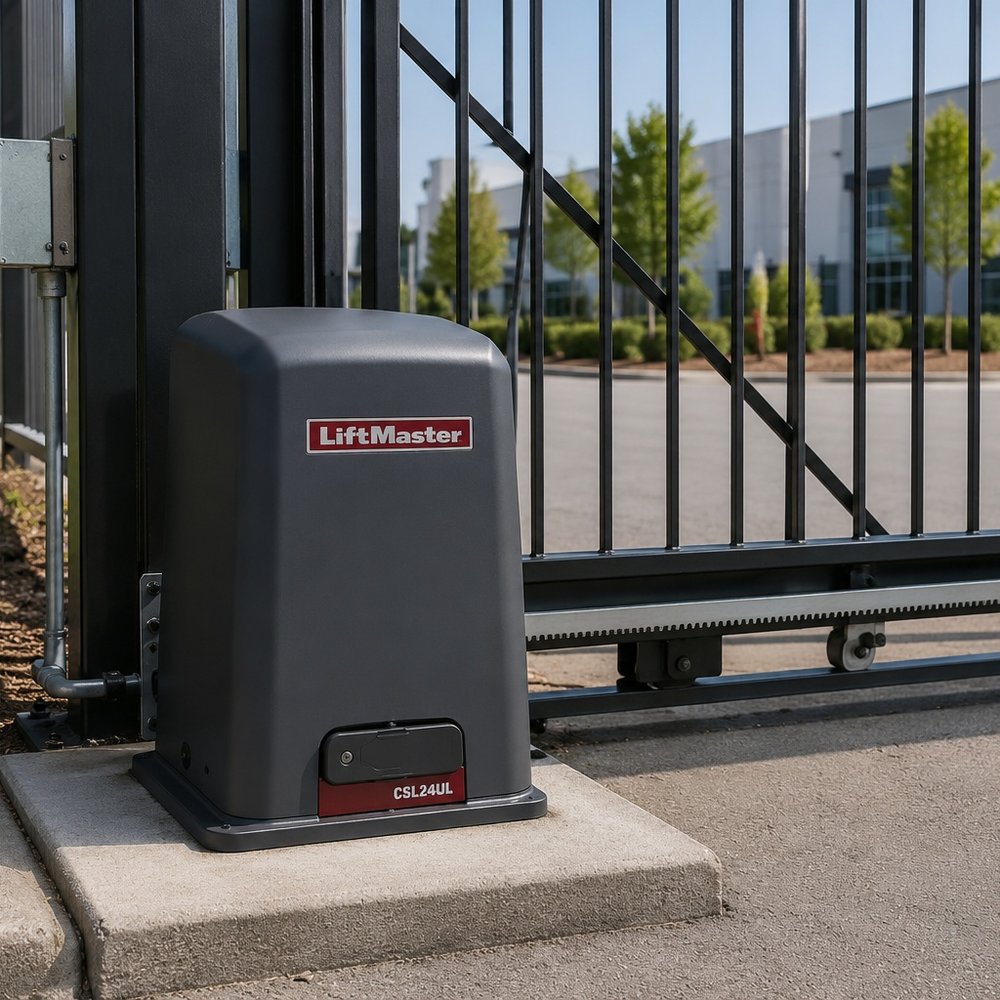
- The class is stamped on the operator nameplate; if it's missing, the operator is non-compliant
- The class determines acceptable installation force, sensor placement, and signage
- The class also determines which entrapment-protection device types can be used (some Type C devices are only allowed on swing gates and barrier arms, not slide gates)
We document the class on every audit.